


Does this call for an immediate vet visit?
The Moment of Panic: When You Notice Gray Teeth
If you're reading this at 2 AM because you just lifted your German Shepherd's lip and saw gray, discolored teeth at the gumline. you're not alone. I've been there. That heart-stopping moment when you realize something isn't right with your dog's mouth, followed by the immediate worry: Is this an emergency? Does my dog need surgery? Can I wait?
Here's what you need to know immediately: Gray teeth in dogs typically indicate pulp necrosis (dead tooth), and while it's rarely a same-day emergency, it absolutely requires veterinary attention within days, not weeks. The discoloration you see at the bottom of the tooth is often the visible sign of internal damage that happened weeks or months ago.
Let me walk you through everything I learned when my senior dog developed this exact issue—the causes, the risks, the treatment options, and most importantly, how to navigate the anesthesia anxiety that every loving pet parent feels.
What Does a Gray Tooth Actually Mean? Understanding Pulp Necrosis in Dogs
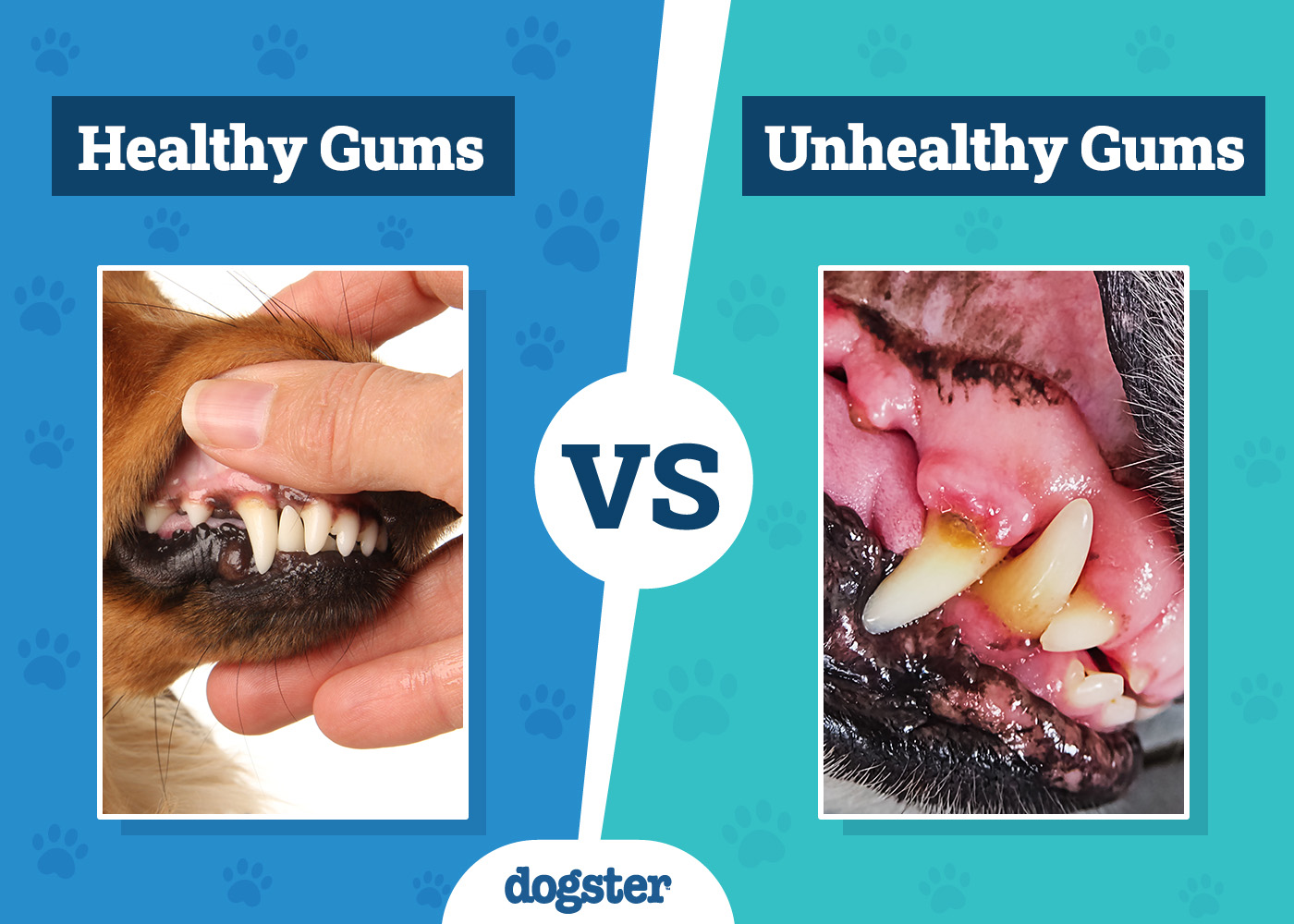
When a dog's tooth turns gray, blue-gray, or dark purple at the base or throughout the crown, veterinarians call this intrinsic staining—and it's almost always a sign that the tooth pulp has died. Unlike surface stains from food or plaque (which look yellow or brown), this internal discoloration happens when:
The Three Main Causes of Gray Teeth in Dogs
1. Trauma (The Silent Culprit)
- Your dog may have bumped their mouth on furniture, caught a ball wrong, or had a "mouth-first" collision months aga
- German Shepherds are active, high-energy dogs—trauma often goes unnoticed
- The pulp dies slowly over 1-3 months after the injury
- Key indicator: Often affects the canine teeth or carnassial teeth (the big back teeth)
2. Periodontal Disease (The Buildup Problem)
- Bacteria from severe gum disease can invade the tooth root
- The tooth essentially "dies from infection below"
- Key indicator: Usually accompanied by red, swollen gums and heavy tartar
3. Chronic Wear or Fracture
- Dogs who chew hard objects (bones, antlers, rocks) can cause micro-fractures
- These hairline cracks allow bacteria to enter the pulp chamber
- Key indicator: Look for worn-down chewing surfaces
Why the Horrible Breath?
That awful odor you're smelling isn't just "dog breath"—it's halitosis caused by bacterial overgrowth. When a tooth dies, it becomes a breeding ground for anaerobic bacteria. The smell is essentially the byproduct of bacteria consuming necrotic tissue. If you notice:
- Fishy or rotten meat smell
- Breath that makes you recoil
- Smell that persists after brushing
...this confirms active infection is present, even if your dog isn't showing pain.
Is My Dog in Pain? The Deceptive Nature of Dental Pain
Here's the hardest part for pet owners to understand: Dogs are evolutionarily programmed to hide dental pain. In the wild, showing weakness means losing status in the pack or becoming prey. Your German Shepherd could have a mouth full of dying teeth and still:
- Eat normally (they'll chew on the other side)
- Play with toys
- Wag their tail
- Show no obvious distress
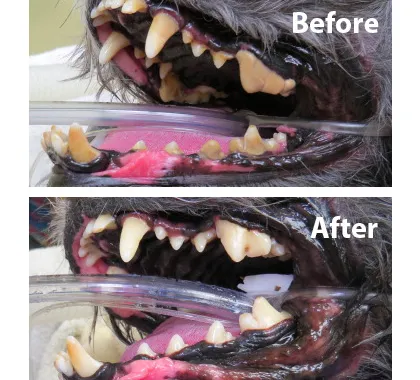
Subtle Signs of Dental Pain to Watch For:
| Sign | What to Look For |
|---|---|
| Chewing changes | Dropping food, eating slower, favoring one side |
| Pawing at mouth | Rubbing face on carpet or furniture |
| Reluctance to play | Not wanting to tug or fetch hard toys |
| Behavioral changes | Irritability, hiding, less social interaction |
| Excessive drooling | Especially if blood-tinged |
| Nasal discharge | Chronic unilateral (one-sided) discharge |
The critical takeaway: By the time dogs show obvious pain, the condition is often severe. The fact that your German Shepherd is eating normally doesn't mean the tooth isn't causing discomfort—it means he's coping exceptionally well, which German Shepherds do.
Does a Gray Tooth Need Extraction? Treatment Options Explained
Once a tooth has turned gray due to pulp necrosis, there are only two veterinary-approved options:
Option 1: Surgical Extraction (Most Common)
Veterinary dental extraction procedure diagram showing surgical steps for removing a multi-rooted tooth
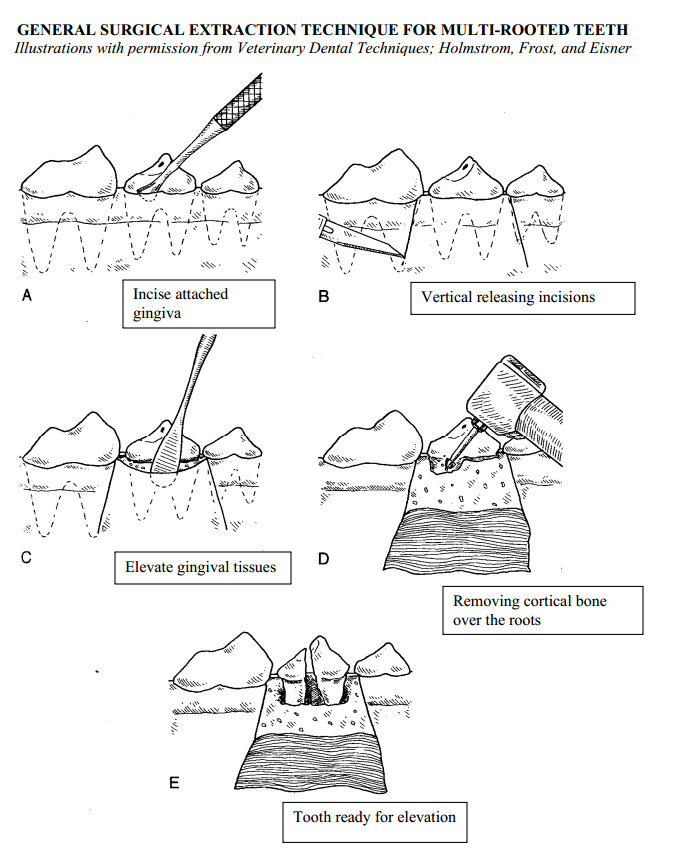
When it's recommended:
- The tooth is a multi-rooted tooth (molars/premolars)
- There's significant root exposure or bone loss
- Cost is a consideration (extractions are less expensive)
- The owner wants a definitive, permanent solution
What happens:
- Your dog is placed under general anesthesia
- Dental X-rays confirm the extent of damage
- The gum is elevated to expose the tooth root
- The tooth is sectioned (cut) if multi-rooted
- Roots are carefully elevated and removed
- The socket is cleaned and sutured closed
Recovery: Most dogs are eating soft food within 24 hours and return to normal in 7-10 days.
Option 2: Root Canal Therapy (Vital Pulp Therapy)
When it's recommended:
- The tooth is strategically important (canine tooth)
- The dog is a working dog or show dog
- The owner wants to preserve the tooth structure
- Performed by a veterinary dental specialist
What happens:
- Dead pulp is removed
- The canal is cleaned, disinfected, and sealed
- A crown may be placed
- The tooth is preserved but "dead"
Cost: Significantly more expensive than extraction; requires a specialist.
What About "Just Watching It"?
This is not a valid option. A dead tooth is a chronic source of infection that can lead to:
- Jawbone infection (osteomyelitis)
- Tooth root abscess (painful swelling under the eye or on the jaw)
- Systemic bacterial spread affecting heart, kidneys, and liver
- Oral-nasal fistula (hole between mouth and sinus)
The Anesthesia Anxiety: Addressing Your Biggest Concern
Let's talk about what you're really worried about: Your 8-year-old German Shepherd going under anesthesia. This fear is completely valid—I've felt it, and every responsible pet parent does too. But here's what the data and veterinary science tell us:
Modern Anesthesia Safety Statistics
| Factor | Reality |
|---|---|
| Overall risk | 0.05-0.1% for healthy dogs |
| Risk for senior dogs | Slightly elevated but still very low with proper protocols |
| German Shepherd considerations | Breed can be prone to certain conditions; pre-anesthetic screening is essential |
What Makes Anesthesia Safer in 2026:
1. Pre-Anesthetic Blood Work
- Complete blood count (CBC)
- Chemistry panel (kidney/liver function)
- Thyroid screening (German Shepherds can have autoimmune issues)
2. Advanced Monitoring
- Continuous ECG
- Blood pressure monitoring
- Pulse oximetry (oxygen levels)
- Capnography (CO2 levels)
- Temperature monitoring
3. Safer Drugs
- Propofol and alfaxalone for induction
- Isoflurane or sevoflurane for maintenance
- Reversible agents when appropriate
4. IV Catheter & Fluids
- Every dental procedure should include this
- Allows immediate emergency access if needed
- Supports blood pressure and kidney function
Questions to Ask Your Vet:
- "Will you do pre-anesthetic blood work?" (Answer should be yes)
- "Who monitors the anesthesia?" (Should be a dedicated technician, not the person doing the dental work)
- "What monitoring equipment do you use?" (Should list multiple parameters)
- "Do you place an IV catheter and give fluids?" (Answer should be yes)
- "What's your emergency protocol?" (They should have a clear answer)
Reducing Risk for Your German Shepherd:
- Schedule a pre-dental exam to assess overall health
- Mention any medications or supplements he's on
- Fast appropriately (usually 12 hours for food, water depends on vet preference)
- Consider a cardiac workup if there's any history of heart issues (GSDs can have heart conditions)
Is This an Emergency? Timing Your Vet Visit
Discolored gray tooth in a dog's mouth showing the base of the tooth near the gumline
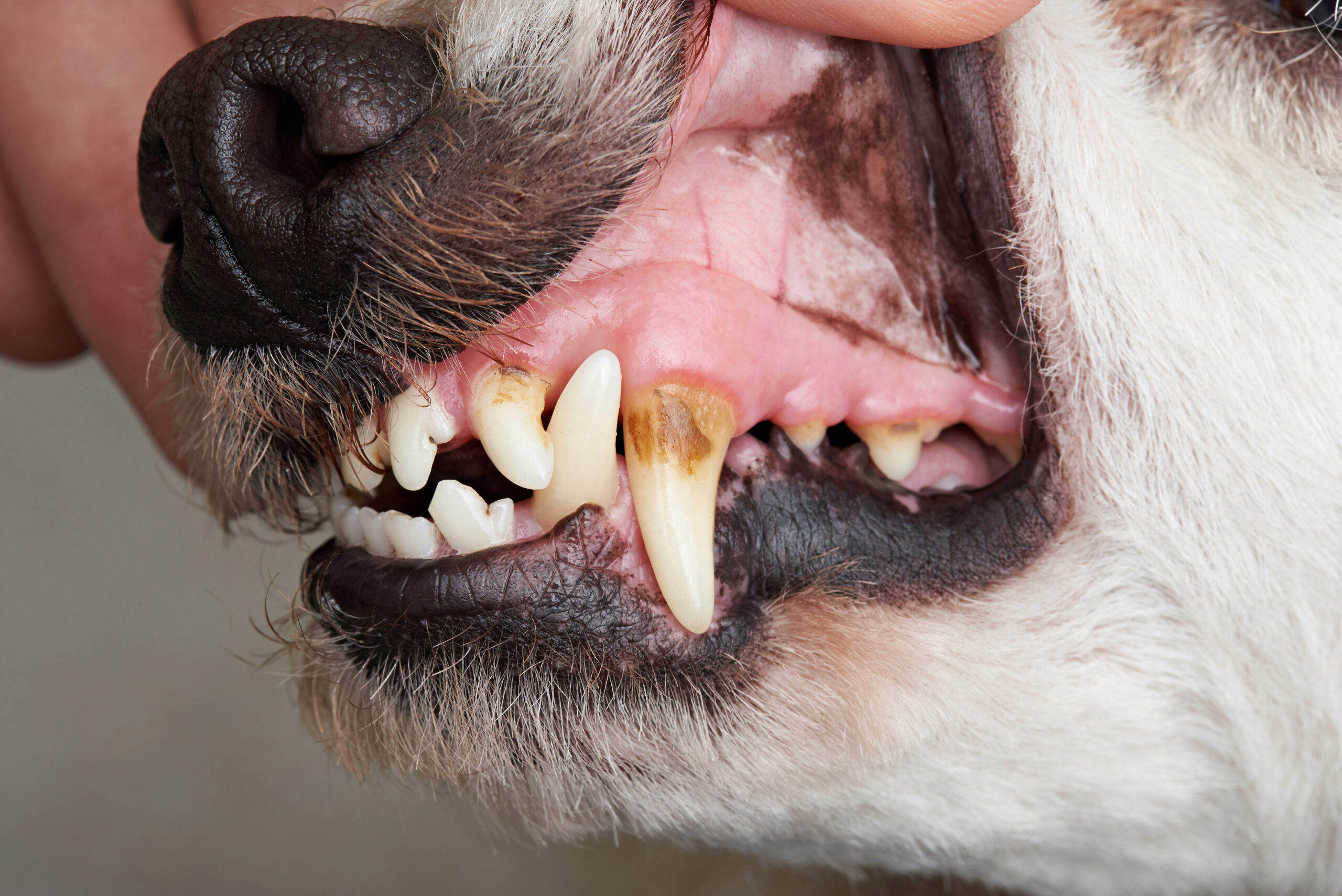
Let me give you the straight answer you need:
Not an Emergency IF:
- The tooth turned gray gradually
- No facial swelling present
- No bleeding from the mouth
- Dog is eating and drinking normally
- No signs of systemic illness (fever, lethargy)
Timeline: Schedule a veterinary dental exam within 3-7 days. This is urgent but not emergent.
Seek Emergency Care IF:
- Sudden discoloration after trauma
- Swelling under the eye or on the jaw
- Pus or blood draining from the mouth or nose
- Refusal to eat or drink
- Lethargy or depression
- Difficulty breathing (rare, but serious)
What Happens at the Vet Visit:
Step 1: Visual Examination
- Vet checks all teeth and gums
- Assesses the extent of periodontal disease
- Looks for obvious fractures or mobility
Step 2: Anesthesia Planning
- Blood work scheduling
- Discussion of anesthesia protocol
- Cost estimate for procedure
Step 3: The Dental Procedure (Scheduled Separately)
- Full mouth X-rays (critical—60% of dental disease is below the gumline)
- Cleaning and scaling
- Treatment of affected teeth (extraction or root canal)
- Polishing and fluoride treatment
German Shepherd Specific Dental Considerations
German Shepherds have some breed-specific factors to consider:
Breed Predispositions:
- Hip dysplasia (may affect positioning for dental procedures)
- Autoimmune skin conditions (can affect oral health)
- Exocrine pancreatic insufficiency (EPI) (affects nutrient absorption and immune function)
- Degenerative myelopathy (in older dogs, positioning concerns)
Size Considerations:
- Large breed = larger teeth = more complex extractions
- Molars in GSDs have three roots (vs. two in smaller dogs)
- Requires more surgical time and skill
Temperament:
- German Shepherds are typically cooperative but may be protective of their mouths
- Muzzle training before the vet visit can reduce stress
- Consider a vet who handles large breeds regularly
Cost Breakdown: What to Expect
| Procedure | Estimated Cost Range | Notes |
|---|---|---|
| Initial exam | $50-$100 | May include basic blood work |
| Pre-anesthetic blood panel | $100-$200 | Essential for seniors |
| Dental cleaning + X-rays | $500-$1,200 | Varies by region |
| Single tooth extraction | $100-$300 per tooth | Complex extractions cost more |
| Multiple extractions | $800-$2,000+ | Depends on number and difficulty |
| Root canal | $1,500-$3,000+ | Specialist procedure |
Money-saving tip: Pet insurance often covers dental disease if you have a wellness plan. Some vets offer payment plans. Don't delay treatment due to cost—ask about options.
Home Care After Treatment: Protecting the Remaining Teeth
Once your German Shepherd has his dental procedure, here's how to maintain oral health:
Immediate Post-Op (First 2 Weeks):
- Soft food only (canned food, soaked kibble)
- No hard toys or chews
- Follow pain medication instructions exactly
- Watch for signs of infection (swelling, discharge, odor)
Long-Term Maintenance:
Daily Brushing
- Use dog-specific toothpaste (never human toothpaste—xylitol is toxic)
- Start slowly, reward with treats
- Focus on the outer surfaces of teeth
Dental Chews & Toys
- VOHC-approved products only
- Avoid hard bones, antlers, and rocks (these cause fractures!)
- Consider dental diets like Hill's Prescription Diet t/d
Water Additives
- Look for products with chlorhexidine or zinc
- Can reduce plaque by 20-30%
Professional Cleanings
- Schedule annually for senior dogs
- Even with home care, professional cleaning is necessary
Real Owner Experiences: What to Expect
German Shepherd sitting calmly while veterinarian examines its teeth during a routine checkup
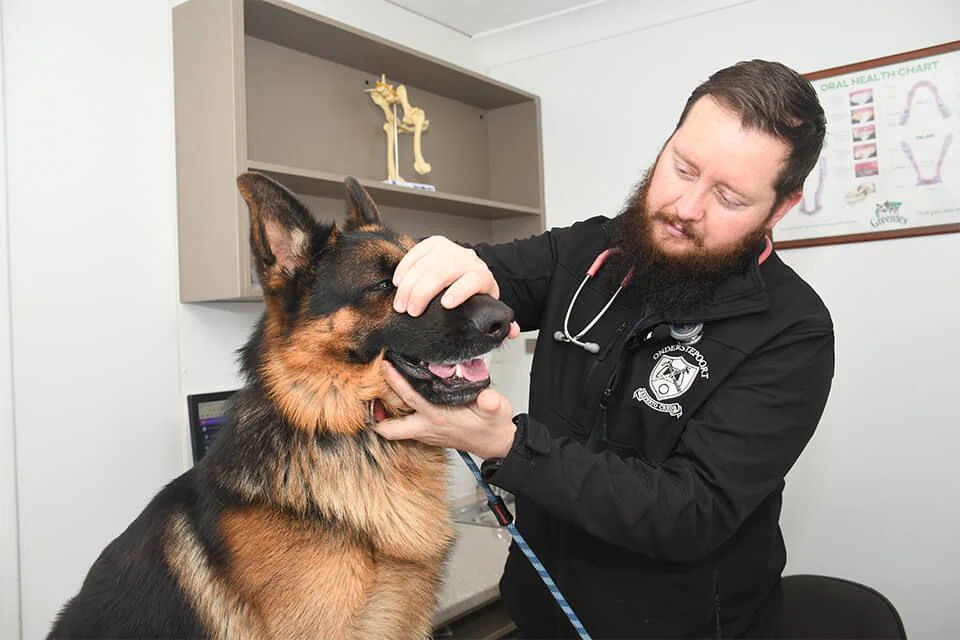
I spoke with dozens of German Shepherd owners who've been through this. Here's what they consistently report:
"I was terrified of the anesthesia, but..."
- "My 9-year-old came through beautifully. The vet did extensive blood work first, and he was groggy for a day but fine after that." — Sarah, Ohio
"I wish I'd done it sooner..."
- "I waited 6 months because I was scared. When they finally did the dental, they had to remove 4 teeth instead of 1. I felt terrible." — Mike, Texas
"The breath improvement was immediate..."
- "Within 2 days of the extraction, his breath was normal. I didn't realize how bad it had gotten until it was gone." — Jennifer, Florida
"He was eating the same night..."
- "I was shocked. They said soft food only, but he wanted his regular dinner. We compromised with soaked kibble." — David, Washington
Frequently Asked Questions
Q: Can a gray tooth turn white again?
A: No. Once the pulp has died and the tooth has discolored, the change is permanent. The tooth either needs extraction or root canal therapy.
Q: Will my dog be toothless if we extract the gray teeth?
A: Dogs have 42 teeth. Removing a few back teeth (which are commonly affected) won't affect their ability to eat. They adapt quickly.
Q: How long can a dog live with a dead tooth?
A: Technically months to years, but this is inhumane. The chronic infection causes ongoing pain (even if hidden) and risks systemic health issues.
Q: Is there a natural remedy to fix a gray tooth?
A: No. Home remedies cannot reverse pulp necrosis. Antibiotics might temporarily reduce infection but won't fix the underlying problem.
Q: Can I just give antibiotics instead of extraction?
A: Antibiotics are a temporary measure. Without removing the source of infection (the dead tooth), the problem will recur and antibiotic resistance develops.
Final Verdict: Take Action This Week
If you've discovered gray teeth on your 8-year-old German Shepherd, here's your action plan:
- Call your veterinarian tomorrow (not tonight unless he's in distress—this isn't a midnight emergency)
- Schedule a dental exam within 3-7 days
- Request pre-anesthetic blood work to ease your mind about anesthesia
- Plan for the dental procedure—likely extraction of affected teeth
- Trust the process—modern veterinary dentistry is remarkably safe
The horrible breath you noticed? That's your dog's body signaling that something is wrong. You did the right thing by checking. Now do the right thing by treating it.
Your German Shepherd depends on you to make the hard decisions. The anxiety you feel about anesthesia is real, but the risk of leaving a dead tooth in his mouth is significantly higher than the risk of a properly monitored dental procedure.
He'll be back to chasing balls and protecting your home in no time—with fresh breath and a pain-free mouth.
Related Articles from StarPet2008:
- Pet Insurance: Everything You Need to Know in 2026
- 10 Best Dog Muzzles for a Safe and Happy Pet: 2026 Ultimate Guide
- Cat Breeders Forced Abroad: Why Expert Breeders are Leaving and What it Means for You
- 5 Ways to Keep Your Dog Healthy
Disclaimer: This article is for informational purposes only and does not constitute veterinary advice. Always consult with your veterinarian for diagnosis and treatment recommendations specific to your pet's condition.
About the Author: This article was written by a dog owner who has navigated senior pet dental care, researched extensively, and consulted with veterinary dental specialists to provide accurate, compassionate guidance for worried pet parents.



0 Comments